


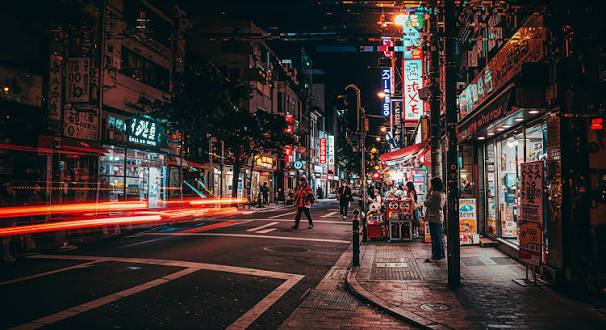
Switzerland has long been known for its pragmatic approach to governance, and this extends to its regulation of prostitution and brothels. The Swiss model combines legalization with strict oversight, creating a unique environment that balances individual freedoms with public health and safety concerns. Understanding the key points of Switzerland’s brothel scene is essential for anyone interested in this aspect of Swiss society.
Legal Framework and Historical Context
Prostitution has been legal in Switzerland since 1942, making it one of the earliest countries to decriminalize sex work. However, the legal landscape has evolved significantly over the decades. The Swiss federal system means that while national laws provide the foundation, individual cantons (states) have considerable autonomy in implementing regulations.
The key points regarding Switzerland’s legal framework include:
- Federal Legalization: Prostitution is recognized as a legitimate activity under federal law
- Canton Authority: Each of Switzerland’s 26 cantons can impose additional regulations on brothel operations
- Registration Requirements: Sex workers must register with local authorities in most cantons
- Health Regulations: Regular health checks are mandatory for registered sex workers
- Zoning Laws: Brothels are restricted to specific areas, typically away from schools and residential neighborhoods
Types of Establishments
Switzerland’s brothel scene encompasses various types of venues, each operating under different regulations:
Licensed Brothels
These are commercial establishments that have obtained proper permits from local authorities. They range from small, discreet operations to larger venues with multiple workers. Licensed brothels must comply with strict health, safety, and hygiene standards. Swiss brothel listings offer accurate information about legal establishments in Switzerland.
Private Studios
Many sex workers in Switzerland operate from private apartments or studios. While these are legal, they are subject to zoning regulations and must be registered. Private studios offer a more intimate and personalized experience compared to larger establishments.
Sauna Clubs and Eros Centers
Some Swiss cities feature combined sauna and adult entertainment venues. These establishments offer wellness facilities alongside sexual services, reflecting the Swiss emphasis on health and hygiene.
Street Prostitution Zones
Certain cities, including Zurich and Bern, have designated areas where street prostitution is permitted. These zones are carefully monitored and regulated to minimize public nuisance and ensure safety.
Major Cities and Their Scenes
Zurich
Zurich is home to Switzerland’s most famous red-light district, located in the Langstrasse area. The city has taken a pragmatic approach to regulation, creating designated zones where sex work is tolerated. Zurich’s brothel scene is diverse, ranging from high-end establishments to more budget-friendly options.
Bern
The capital city maintains a regulated brothel scene with several licensed establishments. Bern’s approach emphasizes discretion and integration, with brothels located in commercial areas rather than isolated districts.
Geneva
Geneva’s international character is reflected in its adult entertainment industry. The city hosts numerous licensed brothels and private studios, catering to both local residents and the international community.
Basel
Basel’s brothel scene benefits from its location near the borders of France and Germany. The city has a long history of regulated prostitution and continues to maintain a balanced approach to adult entertainment.
Lausanne
Lausanne offers a more modest but well-regulated brothel scene. The city’s establishments tend to be smaller and more discreet, reflecting the local culture.
Health and Safety Standards
Switzerland’s approach to brothel regulation places significant emphasis on health and safety:
- Mandatory Health Checks: Sex workers must undergo regular medical examinations, typically every two weeks
- Condom Use: The use of condoms is mandatory and strictly enforced
- HIV Testing: Regular HIV testing is required for all registered sex workers
- Hygiene Inspections: Brothels are subject to periodic health and safety inspections
- Worker Protection: Legal status provides sex workers with access to healthcare and legal protections
Registration and Documentation
The registration process for sex workers in Switzerland involves several important points:
- Identity Verification: Workers must provide valid identification and proof of legal residence
- Health Certificates: Medical clearance is required before registration
- Regular Renewal: Registration must be renewed periodically, often annually
- Tax Obligations: Registered sex workers are required to pay taxes on their income
- Social Security: Workers are entitled to social security benefits, including health insurance
Advantages of Switzerland’s Regulatory Approach
Switzerland’s model offers several notable advantages:
Transparency and Accountability
The registration system creates a transparent environment where both workers and clients can be confident about health and legal compliance. This reduces the risks associated with unregulated sex work.
Worker Protections
Legal recognition provides sex workers with access to legal recourse, healthcare, and social services. This represents a significant improvement over prohibitionist models that leave workers vulnerable.
Public Health Benefits
Regular health checks and mandatory condom use contribute to lower rates of sexually transmitted infections compared to countries with less regulated approaches.
Reduced Exploitation
Regulation helps distinguish between consensual sex work and trafficking, allowing authorities to focus resources on combating exploitation rather than punishing workers.
Quality Control
Licensing requirements ensure that establishments meet minimum standards for safety, hygiene, and professionalism.
Challenges and Criticisms
Despite its advantages, Switzerland’s brothel scene faces ongoing challenges:
- Canton Variations: The decentralized regulatory system creates inconsistencies across the country
- Stigma: Despite legalization, social stigma persists, affecting workers‘ quality of life
- Trafficking Concerns: Authorities continue to combat human trafficking, which remains a significant issue
- Zoning Conflicts: Tensions occasionally arise between brothel operators and local residents
- Underground Operations: Some unlicensed operations continue to exist outside the regulatory framework
Practical Information for Visitors
For those considering visiting Swiss brothels, several practical points are worth noting:
- Identification: Valid identification is typically required for entry
- Payment Methods: Most establishments accept cash, with some accepting credit cards
- Language: German, French, and Italian are the main languages, but English is commonly understood in tourist areas
- Opening Hours: Hours vary by establishment and canton, with many operating late into the night
- Costs: Prices reflect Switzerland’s high cost of living, with services typically more expensive than in neighboring countries
- Etiquette: Discretion and respect are highly valued in Swiss culture
Conclusion
Switzerland’s legal brothel scene represents a carefully balanced approach that prioritizes health, safety, and individual rights while maintaining public order. The combination of federal legalization and cantonal regulation creates a system that is both flexible and comprehensive. While challenges remain, particularly regarding trafficking and social stigma, Switzerland’s model demonstrates that regulated prostitution can coexist with high standards of public health and worker protection. For visitors and researchers alike, understanding these key points provides valuable insight into one of Europe’s most organized and transparent adult entertainment industries.
